
NordForsk coordinates the Nordic Working Group on Indigenous Research Ethics, consisting of Indigenous researchers from Nordic institutions and representatives from the Sámi Parliament and Inuit Circumpolar Council (ICC) Greenland. The working group has a mandate to develop a framework for ethical research involving Indigenous Peoples in the Nordic Region.
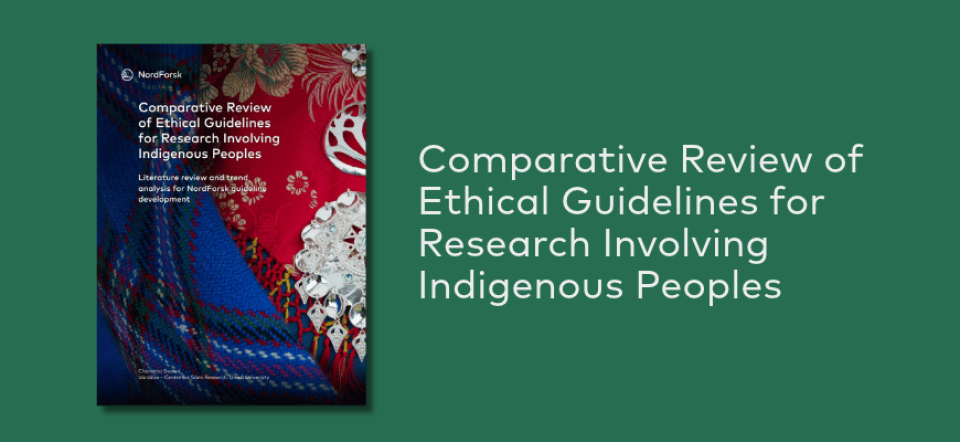
As a knowledge base for the work on the Nordic ethical guidelines NordForsk has commissioned the report Comparative review of ethical guidelines for research involving Indigenous Peoples which explores existing guidelines and documents on the issue.
The report is written by Charlotta Svonni, postdoctoral fellow at Várdduo-Centre for Sámi Research at Umeå University.
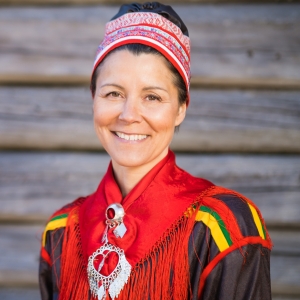
“Ethical guidelines specific to Indigenous Peoples are essential to ensuring that research respects Indigenous Knowledge, cultures and languages, as well as collective rights and self-determination. This is an issue close to my heart, and I was happy to see this call. Ethical guidelines are of interest to me both as a Sámi person and as a researcher," says Svonni.
"Indigenous Peoples have started to position themselves as rights-holders of their own knowledge. They want to be actors and shape questions about them as an active part of the research process. This means that Indigenous Peoples should be involved from an early stage in research processes and be able to own the data relating to them,” she continues.
Comparative review with recommendations for future guidelines
The report consists of a literature review and trend analysis of 22 ethical guidelines, policy documents, protocols, analytical chapters, toolkits and frameworks from the contexts of Sámi and Inuit in Greenland, as well as from Australia, New Zealand and Canada. The aim of the report is to give an overview of the content of the documents and give recommendations for the upcoming Nordic ethical guidelines.
“Drawing on international examples, the report highlights shared principles and describes how principles of self-determination and consent can be put into practice in research. In the report, I also present examples of approaches to developing ethical guidelines, which can be a contribution and a knowledge base for Indigenous communities and research institutions that want to develop their own ethical guidelines,” says Charlotta Svonni.
The report recommends that the Nordic ethical framework combine a common ethical core that applies to all research fields with field-specific guidelines. This is because ethical risks can vary depending on the research area, and there a some more risk-filled areas such as research on health and welfare and research on the environment and climate of Indigenous lands.
The report is primarily aimed at researchers and research funders in the Nordic region.
“It is relevant for different fields, both research actors and societal actors who have an interest in working with Indigenous communities. But it can also be used as teaching material and give basic knowledge on what ethical guidelines can be,” says Svonni.

