
The Arctic holds both active mines and a long legacy of abandoned ones. When a mine closes, the site should be restored in ways that protect fragile ecosystems, respect local needs, and remain resilient under the accelerating impacts of climate change. But in the extreme environments of the Arctic, closing and restoring mine sites is far more complicated than standard practices elsewhere.
In the project “Responsible mine restoration - Integrating local engagement, ecology, and engineered solutions in Arctic environment (RestoMine)”, Nordic researchers are working to develop a holistic approach to improve mine restoration in Arctic regions, in close dialogue with local communities.
For project leader Christian Maurice, the motivation did not emerge overnight. He explains that he has worked on remediation of polluted land and mine reclamation for over 15 years, and certain questions keep returning.
But turning this longstanding idea into a funded, cross-national project proved difficult. Maurice describes the barriers bluntly:
“It’s much more complicated to find financing for two countries or three countries. National research councils rarely fund multi-country projects. What Sweden funds cannot be used in Norway, and vice versa.”
The breakthrough came when NordForsk launched the call on sustainable development of the Arctic. Maurice says the call “acted as a catalyst”, finally making it possible to assemble the right team across borders and disciplines.
This made it possible to bring together engineers, ecologists, anthropologists and local communities from Sweden, Denmark, Greenland and Norway to develop new approaches to responsible mine restoration in cold climates.
Why mine restoration is necessary
Maurice explains that there are basically two main types of problems that make mine restoration a necessity.
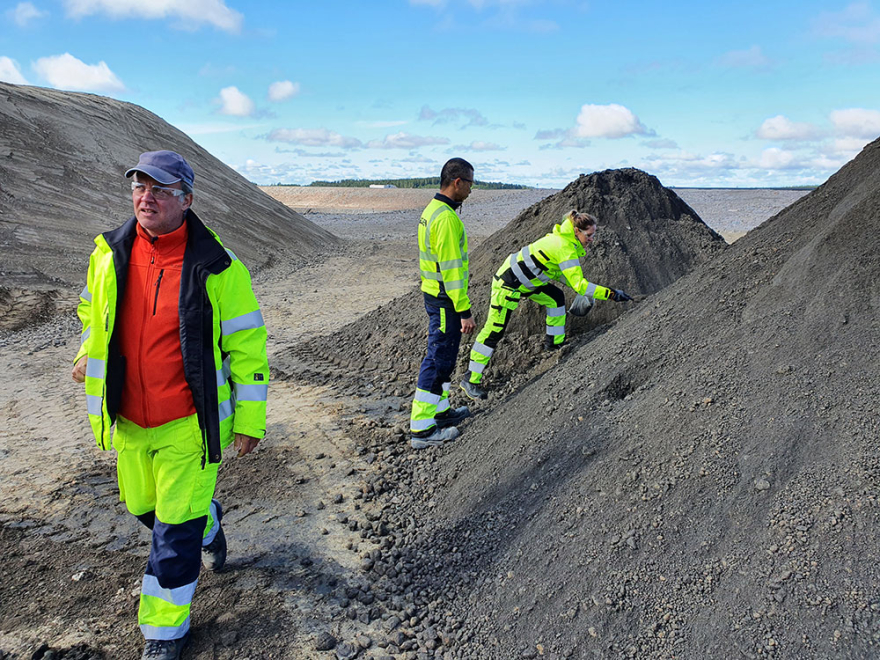
“The first problem comes from erosion, which can lead to the spreading of particles into nature, for example into rivers, which reduces water quality. Erosion by wind and water is a common issue for any type of mine waste. And then you have mines producing copper, zinc, gold, and so on, where the ore is associated to sulphides minerals. Sulphides minerals can create acidity and pollute water with heavy metals. Those mines are much more difficult to reclaim than, for example, iron mines as the one found in Northern Sweden.”
“On the one hand you have particles that can affect the ecosystem. If you have particles in the water, then the fish, the fish eggs and so on will be affected. On the other hand — and this is the big issue — you have the mines with sulphides that pollute the surrounding water. These mines require advanced covers, which are difficult to build, especially in a place where the road infrastructure is limited and it’s difficult to transport machines or appropriate material, like in Greenland.”
A holistic approach to restoration
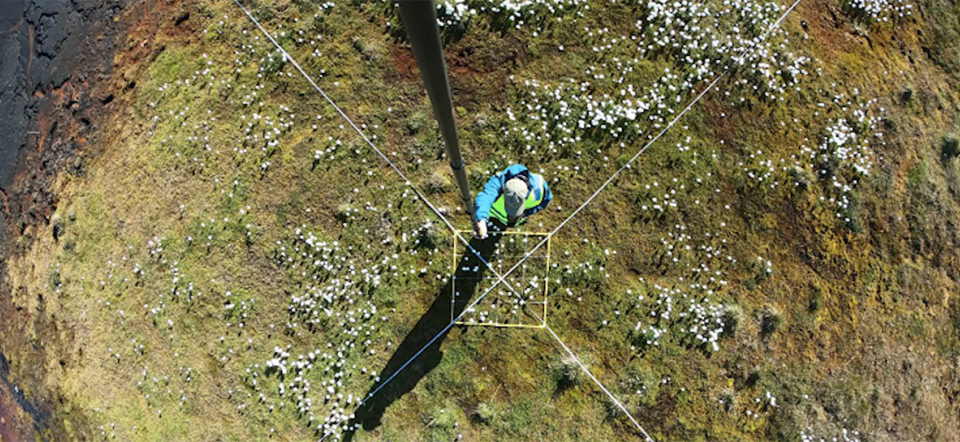
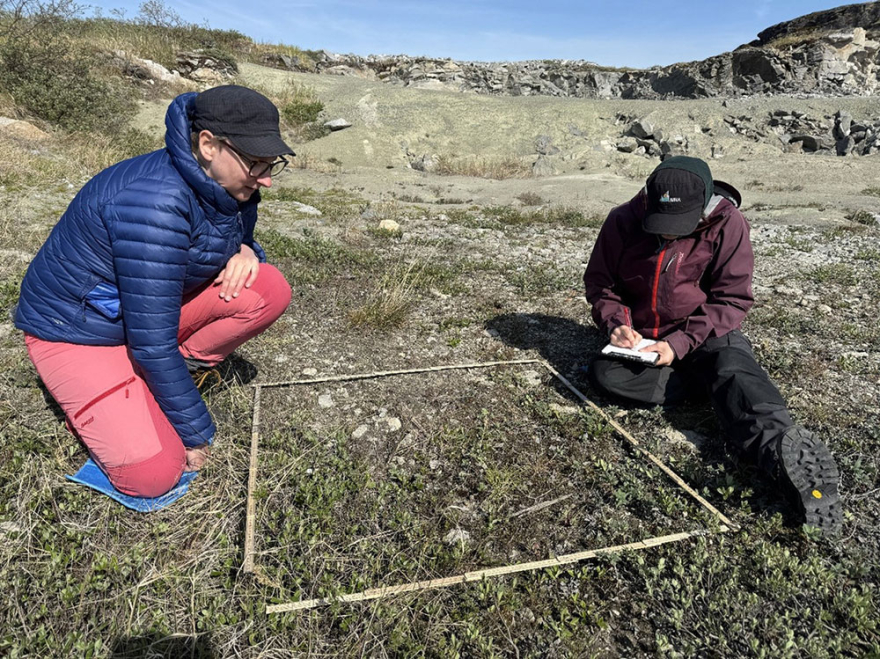
RestoMine is organised around four core research components: understanding how local communities use and envision post‑mining landscapes, developing sustainable cover materials, re‑establishing vegetation under Arctic conditions, and ensuring long‑term resilience in the face of climate change.
Together, they form a framework for mine restoration that integrates social expectations with ecological realities and engineering constraints.
Beyond its scientific goals, RestoMine aims to equip the public with accessible information. Many local stakeholders, the people living close to the site, face highly technical discussions dominated by mining companies, its consultants and the environmental authorities. The project hopes to help bridge this knowledge gap by developing clear explanations of risks and realistic restoration options.
“One thing we discussed when writing the application is that the communication is very unbalanced. You have mining companies with their expertise and consultants talking to the environmental authorities and the environmental court. And then you have common people, who don’t have mining as their profession and have other things to deal with in their lives. And how do you reach them? How do you inform people at the right level? So, one of our goals is to provide easily accessible information for the public so that they can understand the challenges with the mine restoration, what are the existing possibilities and restraints.”
Indigenous or local?
NordForsk’s call emphasised Indigenous perspectives and participation, but Maurice argues that the concept is often more complicated in practice than on paper. He challenges the assumption that Indigenous communities, or any other community, are uniform in their views about mining or mining restoration.
A panel debate during last year’s ACG Mine closure 2025, enlightened how the reopening of a mine was seen from two diametral opposed perspective, either a threat to the culture of a national minority or an opportunity for local working force, as the company refuses fly in fly out.
Maurice also points out how easily “Indigenous perspectives” can become reduced to certain activities, such as reindeer herding, even though many people within these communities do not herd reindeer and many local people with different background also are affect by the mine.
“In the project, we rather focus on local communities or local people, including all the people living close to the mine and may be affected by the restoration ”, Maurice explains.
Given this, RestoMine frames its work around local communities, meaning the people who live near and are directly affected by mine sites. Their needs are tangible, their land use observable, and their voices critical to defining meaningful restoration.
Learn more: RestoMine project website