How did the Nordic countries handle vaccine procurement during the COVID-19 pandemic?
"When we started the project, we thought that Nordic co-operation would have higher significance in efforts to produce COVID-19 vaccines, but that turned out not to be the case. The Nordic countries were in frequent dialogue with each other both ahead and during the COVID-19 pandemic, exchanged information and entered into informal agreements, but when it came to vaccine preparedness and distribution, the European Union was the solution."
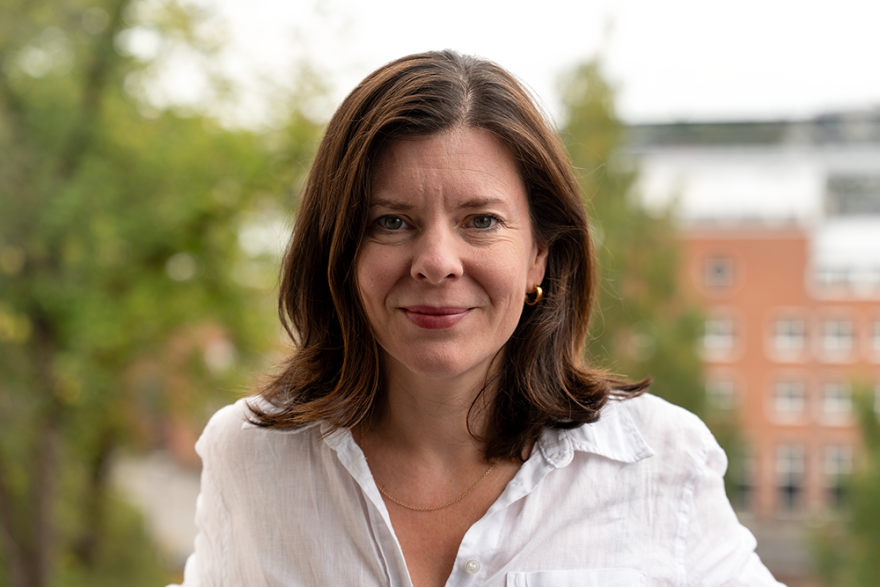
These are the words of Katerini Storeng and Antoine de Bengy Puyvallée from the University of Oslo’s Centre for Global Sustainability. They are part of the project Strategic solidarity: Scandinavian countries' COVID-19 vaccine diplomacy (SCANVAX). The researchers have studied how Norway, Sweden and Denmark procured vaccines during the COVID-19 pandemic, and how the countries contributed to international co-operation on vaccine distribution.
Read more about the project: Strategic Solidarity: Scandinavian Vaccine Diplomacy during the COVID-19 Pandemic (SCANVAX) - Centre for Global Sustainability (uio.no)
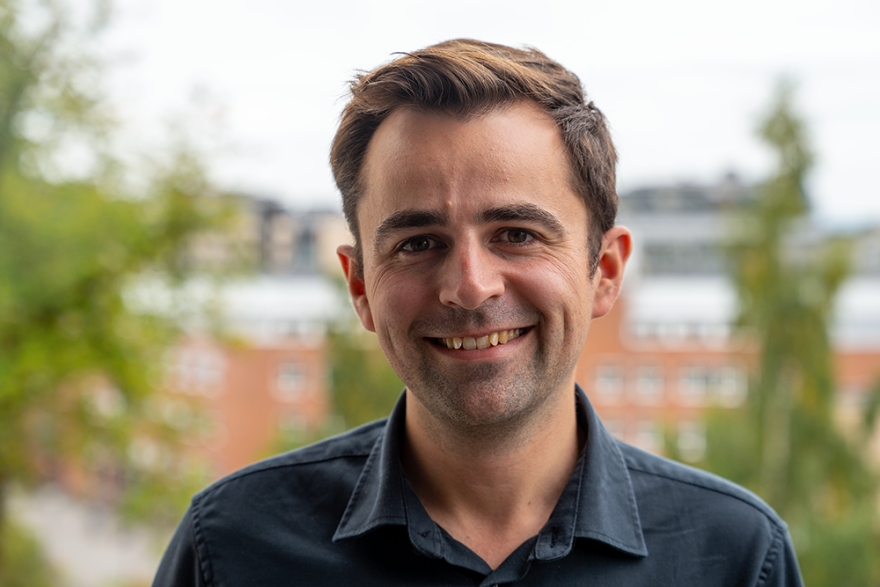
"Norway looked a lot to Denmark and imitated Denmark in several respects. The relationship between Norway and Sweden was also important because a Swedish negotiator took Norway's side in the EU and secured an agreement so that Norway could get vaccines. It is perhaps a bit typical of the Nordic countries that much of the co-operation takes place on a personal level and ad-hoc without being the result of an overall political strategy or formal agreement," says Antoine de Bengy Puyvallée.
The EU is Plan A, the Nordic Region is Plan B
Because the Nordic countries failed to jointly procure vaccines, the EU turned out to be the solution. And, according to the SCANVAX researchers, there is still nothing to indicate that the Nordic countries can manage without the EU when it comes to vaccines.
"You may be able to have Nordic co-operation on vaccines as a supplement to European co-operation but an important lesson from the pandemic is that pre-existing plans for procuring vaccines rarely work. There was a huge amount of improvisation and public authorities explored many different pathways to securing vaccines. We must also remember that even if you have an agreement in the EU, it is not certain that it will work in practice. Therefore, it is good to have a plan B, which can be the Nordic region. But the reality is that you typically do not invest very many resources in a plan B," says Katerini Storeng.
Read also: Scandinavia helped push poor countries to the back of the vaccine queue | NordForsk
Norway is the Scandinavian region's most vulnerable country
Although informal co-operation took place, Norway was in a very vulnerable position relative to Sweden and Denmark because Norway has chosen to remain outside the EU.
"It became very clear that co-operation with the EU is absolutely necessary to prepare for a future pandemic. The EU took the lead when it came to vaccines, and this made Norway even more vulnerable. Even though Norway has expressed a desire to contribute to the EU's health preparedness since 2021, it has not yet reached an agreement. And there is nothing to indicate that the Nordic countries can help Norway again in the event of a new pandemic. We have Nordic co-operation with two countries that are not EU members and that are with limited capacity to contribute to vaccine production and distribution," says Katerini Storeng.
Security and defence steal the focus on pandemic preparedness
Pandemic preparedness was on everyone's lips during the COVID-19 pandemic and in the immediate aftermath, but now the security and geopolitical situation has taken over the agenda and pushed pandemic preparedness into the background, the researchers point out.
"There was a lot of money for pandemic preparedness and research right after the pandemic, but the funding has dried up, and that is worrying. It is completely legitimate that the threat from Russia has become so great that the Nordic countries have to rearm. I'm not saying that you shouldn't do it, but it has taken all the focus away from pandemic preparedness as a key element to societal security. Maybe because it's difficult for politicians to justify large investments in pandemic vaccines when they also have to buy tanks," says Antoine de Bengy Puyvallée.
"It is important to also invest in pandemic preparedness, because we live in a new world with a lot of geopolitics, and we know that both the US and China, which are also major vaccine producers, will not necessarily co-operate when we face the next pandemic. Therefore, it is important that the EU has a solid vaccine industry that can deliver on the terms that serve the public sector and at the same time take security considerations into account," says Katerini Storeng.
Read more:
Strategic solidarity: https://link.springer.com/article/10.1186/s12992-026-01214-y
Vaccine hunting: https://onlinelibrary.wiley.com/doi/10.1111/1758-5899.70237