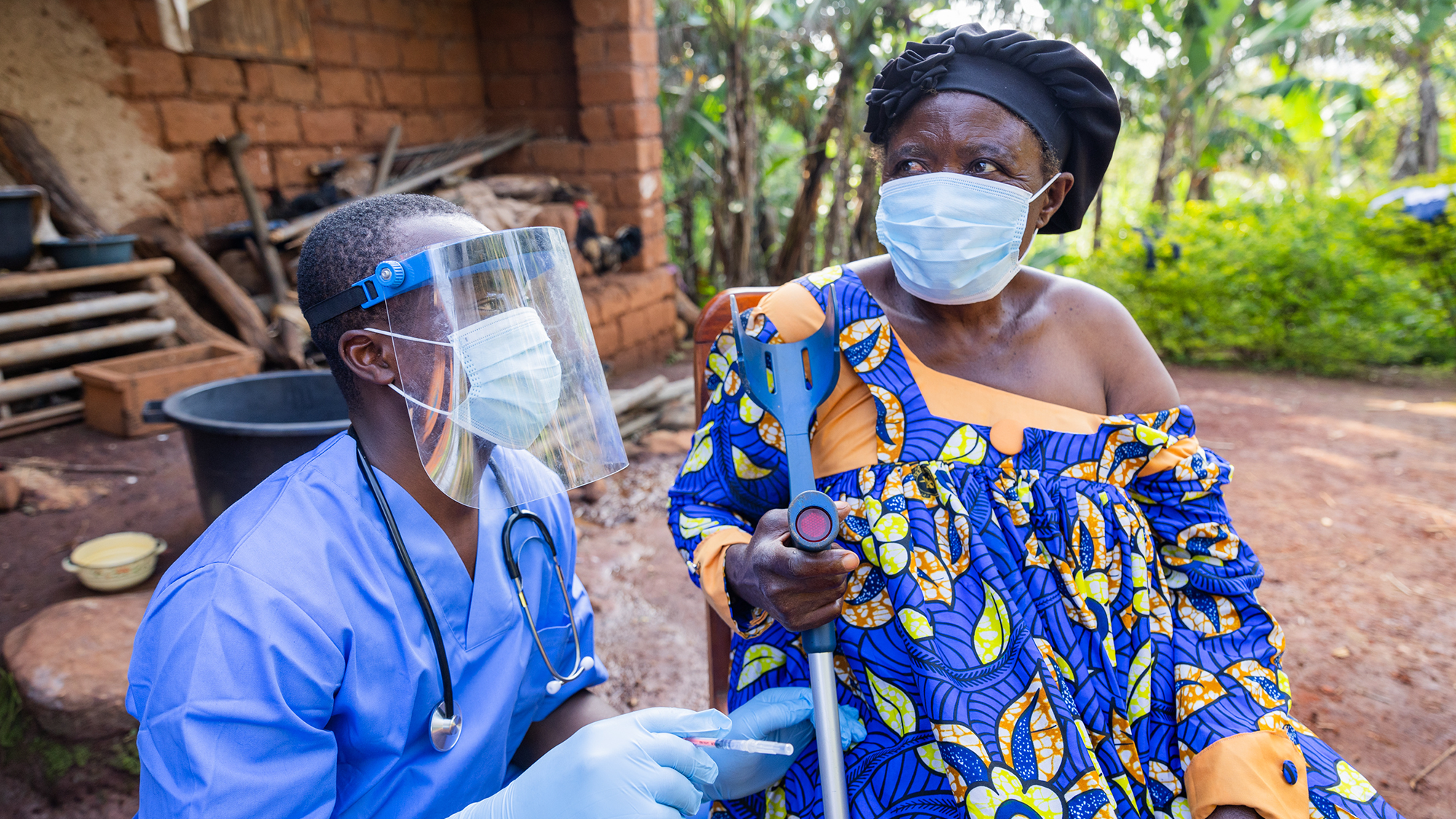
On the African continent, the Ebola virus has ravaged and claimed countless lives.
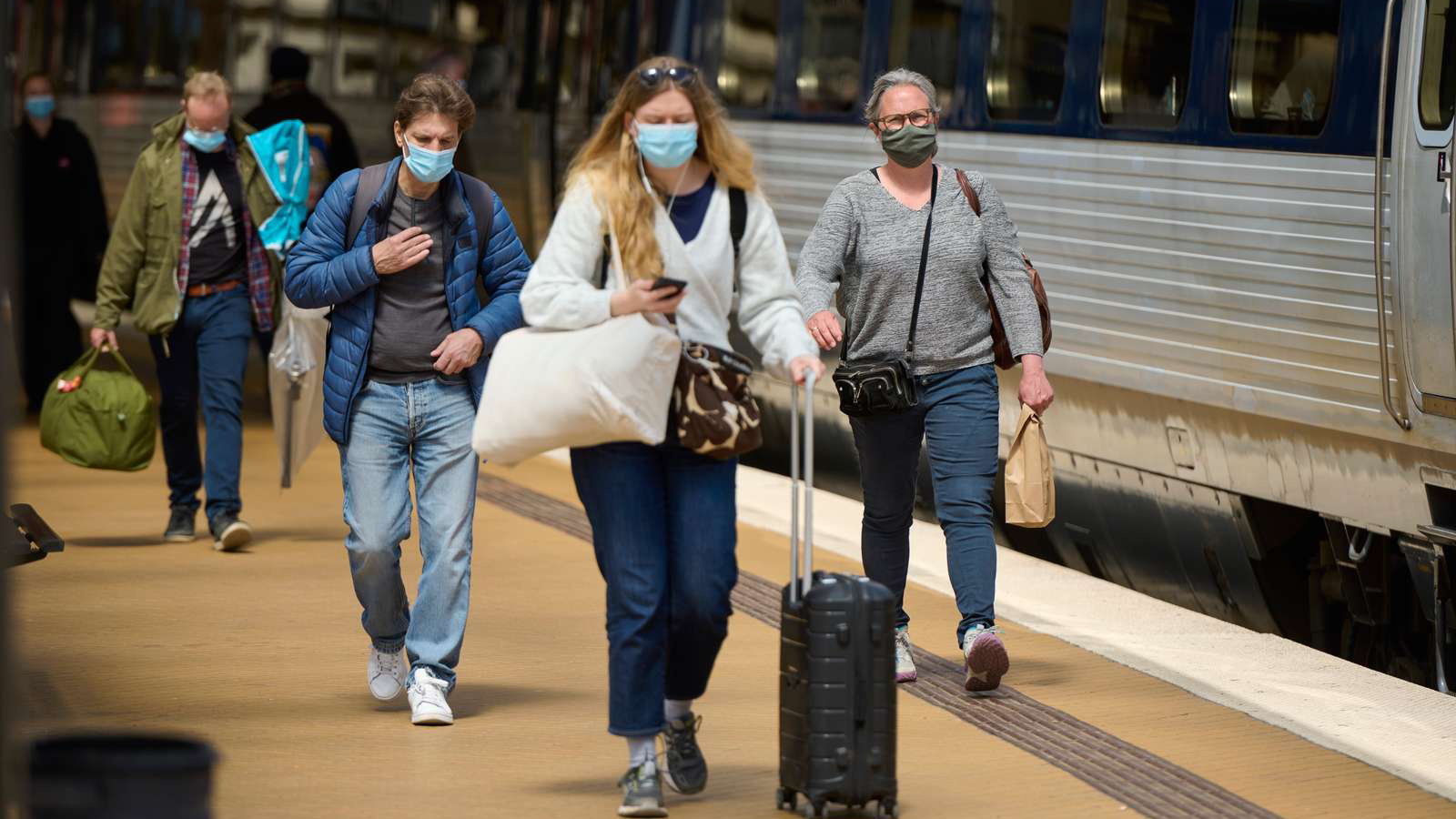

The COVID-19 virus spread to become a deadly, global pandemic.
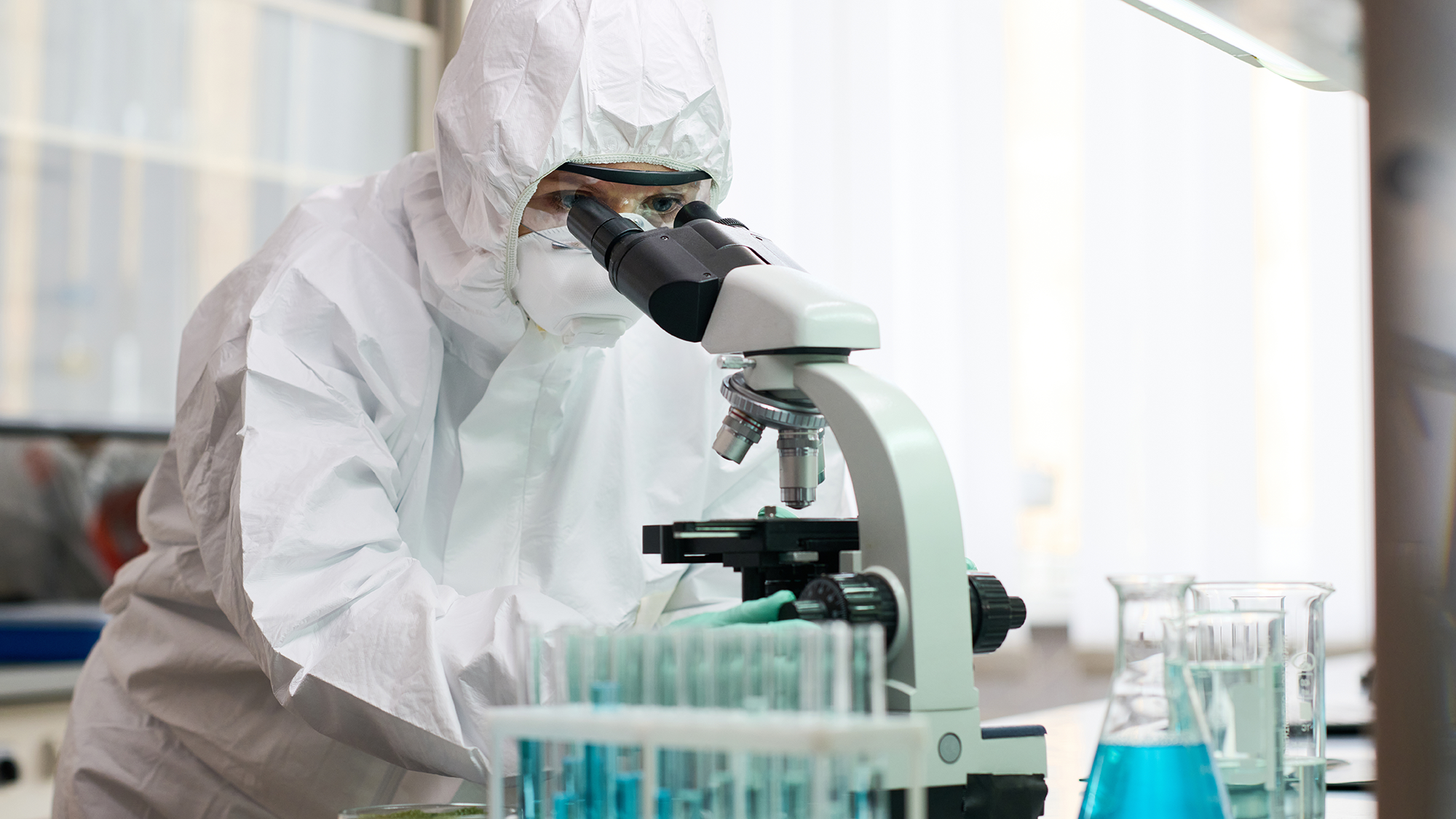
An employee who worked at a research laboratory in Russia recently died. The laboratory conducts research on infectious diseases such as the plague, anthrax, and cholera. Independent Russian media outlets claimed that the employee may have been infected following a laboratory accident, but Russian authorities denied this.
The three incidents mentioned above are examples of biological hazards that have arisen naturally or possibly because of laboratory accidents. Biological threats are disease-causing microorganisms, which can include both viruses and bacteria, and they can have enormous destructive potential.
“The current security situation means that it is particularly important to conduct research on biological threats – including in the Nordic and Baltic regions. Deliberate use of biological agents, whether in terrorist attack carried out by individuals or groups or in biological warfare between states, represent potential antagonistic threats. Such threats can create fear and disruption in our societies and thus place increased demands on our preparedness. Advances in life science technologies and synthetic biology contribute to increased risk, further amplified by other emerging technologies such as artificial intelligence. We want to provide authorities and decision-makers with the knowledge needed to equip our Nordic and Baltic societies as effectively as possible to deal with biological threats.”
This is the view of Tone Bjordal Johansen, a senior researcher at the Norwegian Institute of Public Health (FHI) and leader of the research project Enhancing resilience against biological threats in the Nordic and Baltic countries (BIO-NORD). The project involves researchers from Norway, Denmark, Finland, Sweden and Lithuania.
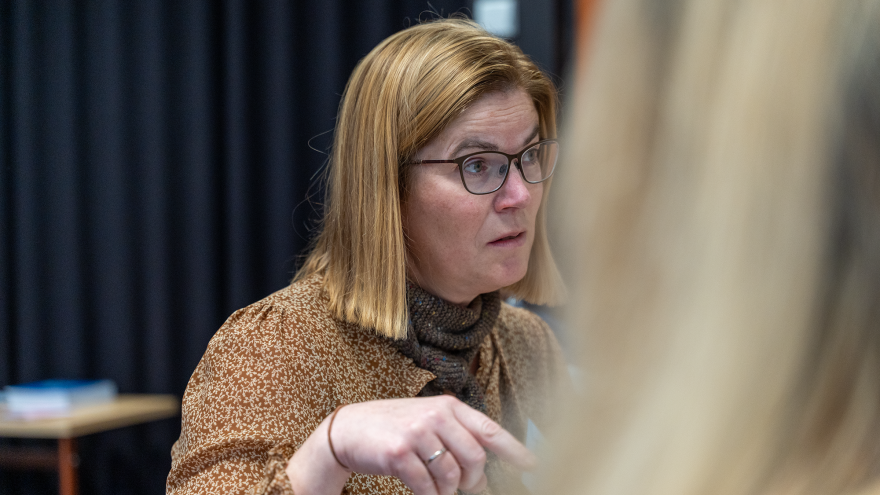
The project aims to strengthen resilience for biological threats in the Nordic and Baltic regions and focuses on natural disease outbreaks, as well as accidental or deliberate incidents like outbreaks resulting from laboratory leaks, or misuse of technology.
“During the COVID-19 pandemic, there was debate as to whether the virus was created in a laboratory or arose naturally. This shows that it is not always easy to tell whether a biological threat is natural, caused by accident or intentional. Our research aims to build preparedness against all forms of biological threats, but our primary focus is on the risk for manipulated or man-made microorganisms, due to the rapid development in synthetic biology and converging technologies like artificial intelligence” says Tone Bjordal Johansen.
Artificial intelligence could create new biological weapons
Biological weapons are also mentioned in the Norwegian Intelligence Service’s National Threat Assessment for 2026. It states that artificial intelligence now makes it possible to design new toxic substances and microorganisms with major destructive potential.
The significance of artificial intelligence for the development of new or manipulated biological agents are also a key focus of BIO-NORD.
“We are in the midst of a biological revolution. Developments in biotechnology are progressing at such a rapid pace, and its combination with artificial intelligence offers new opportunities for understanding diseases and developing medicines and vaccines. At the same time, this technology can also be misused, for example to create pathogens that are more transmissible or resistant to treatment, or entirely new and unknown viruses. This makes it essential to improve our knowledge and understanding of the risks associated with emerging technologies and to strengthen the preparedness, including in the Nordic and Baltic countries,” says Tone Bjordal Johansen.
Disinformation spreads fear
Part of the aim of biological threats is also to spread fear amongst the population, she explains.
“We know from a European study that a lack of information and the spread of mis- and disinformation are obstacles when it comes to responding to biological threats. There is a great deal of disinformation circulating, which is systematically spread to create a sense of insecurity and mistrust amongst the public. Much of this disinformation centres on vaccine scepticism and COVID-19. Another example is allegations from Russia, which, for example, claims that Ukrainian forces are using biological toxins. The earlier example of the plague outbreak in Russia also shows how a lack of information for the public creates a breeding ground for unrest and fear.”
NordForsk's research on societal security
The BIO-NORD project is part of NordForsk’s major initiative on societal security.
For more than 12 years, NordForsk has awarded grants to more than 35 research projects on societal security. Most recently, there was a call for proposals on antagonistic threats in the Nordic and Baltic regions. 87 projects applied for funding, and eight of them were selected. One of them is the BIO-NORD project.
Read more about NordForsk’s focus area within societal security: Nordic research collaboration on societal security | NordForsk