
The pandemic affected the well-being of children and young people in general, but a group of young people has so far been underrepresented in research on the consequences of the pandemic. It is the young people who define themselves as transgender or non-binary, that is, who experience themselves beyond the traditional gender binary of male/female.
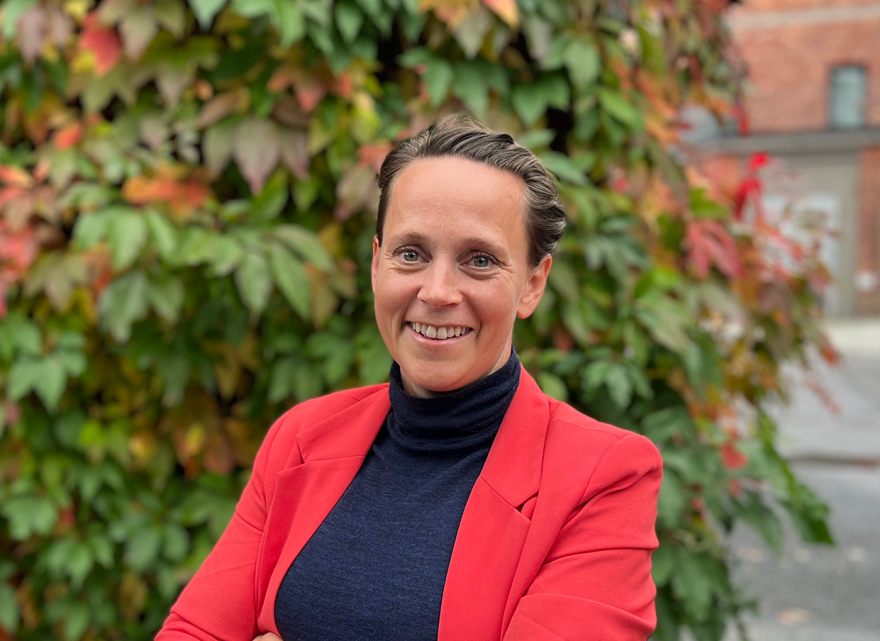
Helga Ask from the Norwegian Institute of Public Health leads the research project Promoting Resilience and Inclusion: Gender-Inclusive Strategies for Youth Mental Health in Post-Pandemic Nordics (PRISM). In the project there are researchers from Norway, Sweden, Finland, Denmark and Iceland.
"In our research, we want to have a gender-inclusive perspective because we know that young people who belong to LGBTI are a vulnerable group. Our goal is to investigate how they and other young people are doing four years after the pandemic ended. We know that they reported more mental health problems during the pandemic and for some that level has been high ever since, but we do not yet know the reason for it," says Helga Ask.
Good datasets make research possible
Research shows that there are gender differences when it comes to how cisgender boys and girls have experienced the pandemic. Girls have had a harder time than boys. Researchers from the PRISM project believe that there is good reason to investigate also how transgender and non-binary young people have felt.
"In several of the datasets, we have information about it. In the past, we have often used the gender variable that we get from the birth register, but in many of our latest datasets, we have also asked questions about how young people identify themselves in relation to gender, so now we can actually investigate it."
Among Norwegian 16-year-olds, who participated in the Norwegian mother, father and child study approximately 3.5 percent answer that they are unsure of their own gender or that they are non-binary.
"We will investigate risk factors both in the young person, but also in the network around, i.e. family, friends and, not least, the school. We have a lot of data from schools, and it will be interesting to see if there are some types of schools that are characterized by better mental health among transgender students and other boys and girls. Young non-binary makes up a small group, but with data from several countries, we’ll have a large enough group overall to be able to study the issue properly,” she says.
Major investment in research on children and young people
The lack of knowledge about the consequences of the pandemic for children and young people led NordForsk to launch eight new research projects in 2022.
Again in 2025, NordForsk provided funding for three new collaborative projects on children and young people. All three funded projects address current and relevant topics that have the potential to have a significant impact on Nordic societies. They will deepen our understanding of the factors that affect young people's well-being and address key knowledge gaps identified in previous research.
One of these projects is PRISM, which originates from the two previous NordForsk-funded children and young people's projects SISU and CovidmentYOUNG.
Learn more about NordForsk’s focus area on children and young people: Nordic Research on Children and Young People.
More about Post-Pandemic Vulnerability and Resilience: A bioecological approach towards youth wellbeing in Nordic schools and communities (SISU)
Project number: 147386
Project leader: Agnieszka Butwicka, Karolinska Institutet
Participating countries: Sweden, Norway, Iceland and Finland
Many young people in the Nordic region have symptoms of anxiety, depression, and social anxiety, according to a new Nordic study. Girls are particularly affected, and more help is needed, according to the researchers behind the study.
Read the interview with project leader Agnieszka Butwicka: High number of young people with mental health problems
More about Post-pandemic mental health: Risk and resilience in young people (covidmentYOUNG)
Project number: 156298
Project leader: Helga Ask, Norwegian Institute of Public Health
Participating countries: Norway, Sweden, Denmark and Iceland
The CovidmentYOUNG project has focused on how the pandemic affected young people in the general population, as well as on how it affected young people who, before the pandemic, had reported or were diagnosed with eating problems and disorders, post-traumatic stress disorder, self-harm, depression, anxiety, and lack of wellbeing.
Read the interview with project leader Helga Ask: Light to be shed on living conditions of vulnerable children and young people during pandemic