Intimate partner violence and other forms of gendered violence are widespread societal problems in the Nordic countries. Gendered violence can be physical, psychological, or sexual, and is most often directed at women while perpetrators are commonly men.
About half of women in Finland, Sweden and Denmark have experienced physical violence, threats of violence and/or sexual violence according to the Europens Union’s ‘Gender-based violence survey 2024’. In Norway one out of ten women report that they have experienced domestic violence. Research indicates that Indigenous people, especially Indigenous women, are particularly vulnerable to this type of violence.
“There are specific challenges connected to this type of violence for Indigenous women. Our research shows that it can be more difficult to leave an abusive relationship, because leaving can also mean having to leave one’s Sámi community. It may no longer be possible to continue with reindeer herding, access to the Sámi language and culture may become more limited, and there can be uncertainties tied to one’s children’s access to their Sámi identity,” says Jennie Brandén, Associate Professor at Umeå University.
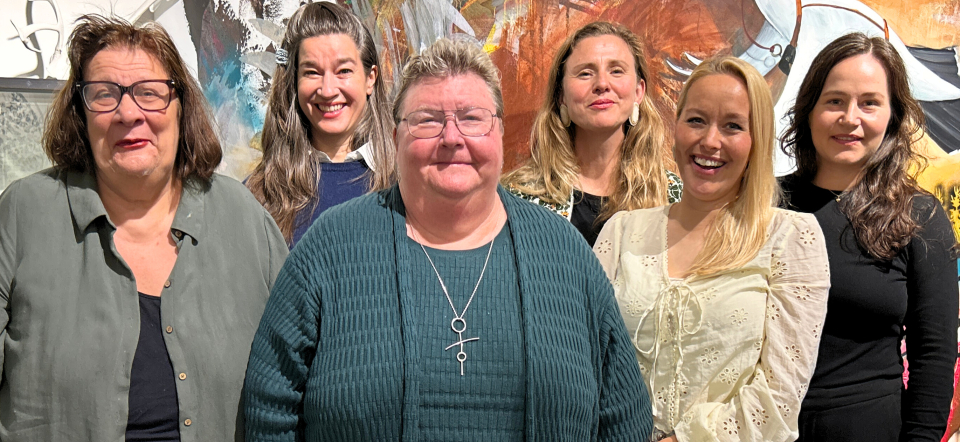
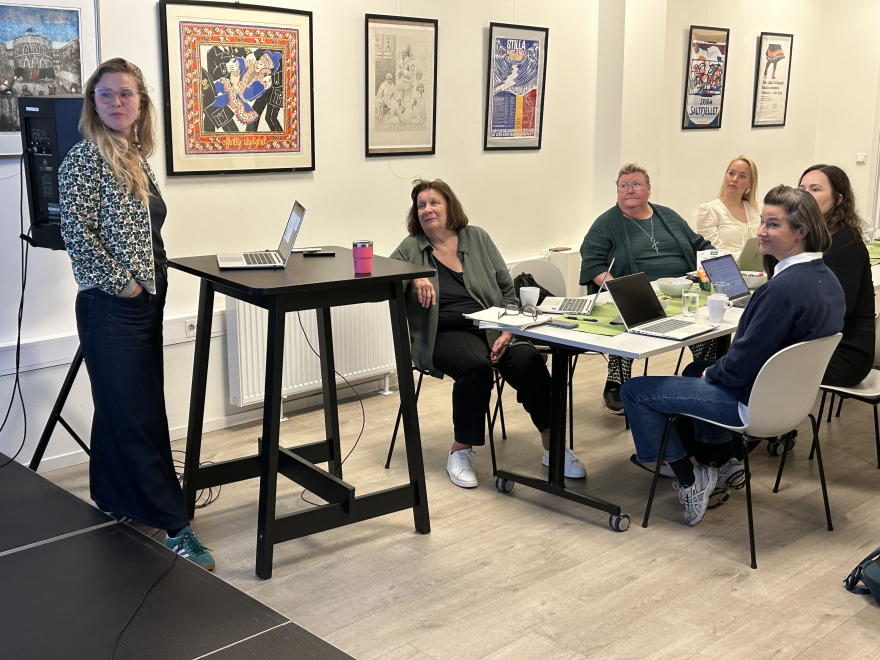
Brandén leads the NordForsk funded Nordic Network on Gendered Violence in Sámi and Inuit Communities (NOGVIS) which brings together experts from Sweden, Norway, Finland and Denmark, including representatives from the Saami Council and the Inuit Circumpolar Council, Greenland.
Need for Nordic collaboration in research on gendered violence affecting Indigenous people
Jennie Brandén is part of the research group Lávvuo at Umeå University which focuses on Sámi health. They have mapped violence against Sámi women in Sweden at the request of the Sámi Parliament in Sweden. Of the Sámi women who took part in the study more than half stated that they have experienced sexual violence, seven out of ten had experienced psychological violence and almost a third had experienced physical violence, during their lifetime.
Through the study, the researchers saw a need for increased Nordic collaboration in this field of research, which led to NOGVIS.
“Sápmi stretches across four national borders, yet research is still largely nation‑state based. We therefore saw a need to collaborate on these issues, to both highlight similarities and contextual differences between the Nordic countries. We also recognized the importance of exchanging experiences with researchers and representatives from the Inuit communities in Kalaallit Nunaat (Greenland). There is a well‑founded mistrust to research within many Indigenous communities, which is why we also see a strong need to discuss and develop ethical approaches in relation to our research, and to underline the importance of grounding this kind of work in Indigenous feminist perspectives. There is a feminist ethical dimension here, but also a vital Indigenous ethical dimension,” she says.
Specific challenges connected to gender and colonialism
The network applies a gendered and colonial power perspective to violence. The vulnerability to violence among Indigenous peoples can partly be linked to colonial structures.
“We believe that being a minority and having your Indigenous rights constantly challenged plays a role in many ways. For example, the Sámi people have to constantly struggle to be able to practice reindeer herding, speak Sámi, and practice Sámi culture. This may leave less room to address problems such as gendered violence. There can also be a lack of trust in authorities. There are thus circumstances tied to colonial structures that can make it more difficult to talk about the violence and work preventive,” says Brandén.
As an Indigenous woman, you can also be exposed to racist violence, which is something she emphasizes as important to take into account.
“Women are particularly subjected to sexualized violence, such as sexual harassment in public space. But as we see in our research, many Sámi women also experience racist violence, that can also be sexist,” she says.
Knowledge sharing and Indigenous feminist perspectives in research
NOGVIS wants to increase visibility for the issue of gendered violence among Sámi- and Inuit communities in the Nordics. Their aim is to create structures for sharing knowledge and collaborating on these issues, as well as reaching a wide audience of researchers, practitioners, policymakers and Indigenous organizations.
“In the Swedish context, there is a significant need to make visible the present effects of colonialism and include Sámi perspectives when addressing, for example, men’s violence against women. We must also develop the support structures, as we see a clear tendency that Sámi women who are subjected to violence aren’t reached with support in the same way,” says Brandén.
”Something we want to maintain and continue working on is involving key Indigenous organisations in the research processes. I also see this as absolutely essential from a research ethical perspective. The relationship we have built with the Saami Council and ICC Greenland is perhaps the most important aspect of the network,” she continues.
Read more about the network and watch the recordings of their webinars: Nordic Network on Gendered Violence in Sámi and Inuit Communities (NOGVIS)