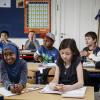
The scientific level of Nordic educational research carried out in the first phase of NordForsk’s education initiative was very high, according to a new evaluation report. The evaluation also shows that the research has helped to strengthen the field of educational research throughout the Nordic region.
Professor Jóhanna Einarsdóttir argues that early childhood education must wake up to our new multicultural reality and focus on belonging to facilitate better inclusion. Currently children with a foreign background are more likely to experience exclusion and rejection in preschool and first year of primary school.
NordForsk uses the online database Researchfish to gather information about the outcomes of the research we fund. Read on to find out more about how Researchfish works and how to submit your data.
The past is used politically. Both as an ideal and a scare tactic. A new Nordic research project will examine how the past is utilised in current political campaigns.
The final decision has now been taken on which projects will be awarded a total of EUR 7.4 million under the Research and Innovation Programme on Digitalisation of the Public Sector.
Representatives of two NordForsk-funded research projects participated recently in a major seminar in Copenhagen targeted towards future skills. The seminar provided input to the Nordic Council of Ministers on the challenges that leaders in Nordic education need to focus on to develop the competencies required in the Nordic countries of tomorrow.
How did the pandemic restrictions affect pedagogues and children of pre-school age? New research shows that the pandemic challenged the daily practices of daycare centres in several areas.
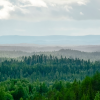
The landscapes of the Nordic countries are undergoing significant change due to both humans and climate change. This has implications for each of us living in the Nordic region, says an Icelandic researcher.
Call for International Postdoctoral Research Fellowships within the Nordic Neutron Science Initiative aimed at capacity-building for young researchers to promote a new generation of neutron users and specialists through training at internationally leading neutron facilities. Application deadline: 2017-08-30 13:00 CET