We are surrounded by sounds and music. The Nordic Sound and Music Computing Network, a NordForsk funded university hub, is conducting research on what effect sound and music have on us, and how they can improve commercial and public services.
What do a furniture company in Norway and a coffee producer in Sweden have in common? On the surface, very little – but both are among the over 300 companies in the Nordic region that are in the midst of restructuring for sustainable production, thanks to collaboration with the CIRCit research project.
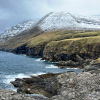
A Nordic research project predicts that storms will hit the Faroe Islands with unprecedented strength. They have worked with the local population on emergency planning, which has been an eye-opener for both parties.
The main purpose of the call is to capitalise on the research results and knowledge that has been built during the first years of Vision 2030, to support the development of the new collaborative initiative for the years 2025-2030.
Living on 18 small islands in the North Atlantic, the Faroese people are used to wild weather. But what should they be doing to prepare for the increasingly extreme storms caused by climate change? Researchers warn that the climate debate often overlooks the Nordic Region’s smaller communities.